
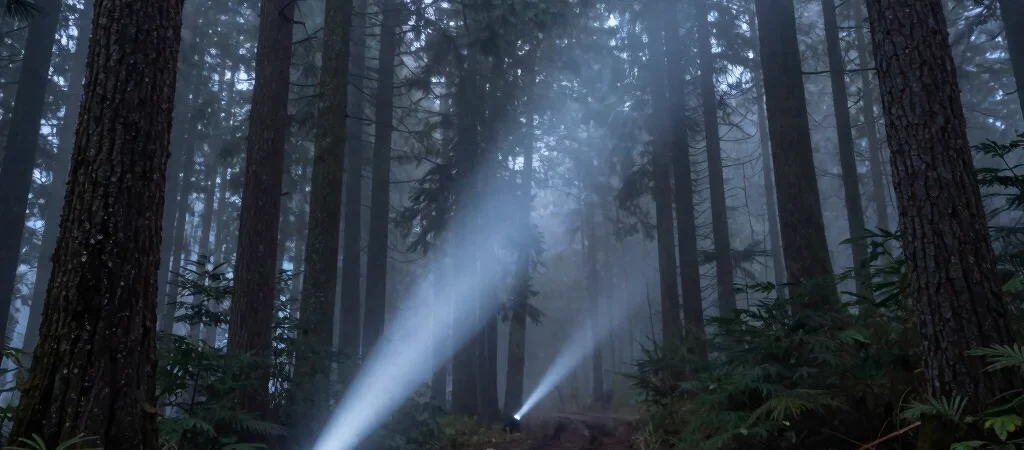
Deep within the dense old-growth forests of the Cascade Mountain range, wildlife biologists and search teams occasionally encounter physical disruptions that fall outside recognized animal behavior profiles. Large-scale ground depressions and systematic branch fractures at elevated heights have long fueled regional wilderness lore. A disciplined examination of these sites, however, begins with soil mechanics and biological impact analysis.
Field Records from the Olympic Range
During a three-week environmental survey in a restricted wilderness sector, investigators documented a linear trail of five large impressions in damp clay substrate. Castings taken at the location revealed deep heel compression inconsistent with bear tracks, alongside stride lengths exceeding three meters. Soil compaction metrics indicated an estimated displacement weight far beyond typical native fauna.
Distinguishing Disruption from Known Predation
Skeptical analysis must account for environmental factors such as thaw-freeze cycles, double-stepping by elk, and natural erosion that expands footprint contours over time. Laboratory evaluation of hair samples retrieved from adjacent bark scrapes produced inconclusive mitochondrial DNA, matching neither known ursine nor bovine profiles. While inconclusive data is often touted as proof of the extraordinary, forensic discipline treats it simply as missing baseline information.
The Tension Between Lore and Substrate
Documenting anomalous wilderness encounters requires separating decades of accumulated folklore from verifiable environmental evidence. Until field teams capture high-definition thermal imaging paired with concurrent environmental DNA sampling, the record remains an intriguing open file. The objective researcher preserves the data without forcing a premature verdict.